

 简体中文
简体中文Most people renovating or specifying a villa elevator spend hours debating cabin finishes, lighting, and flooring — then make a quick, uninformed choice on the landing door. That's a mistake. The landing door is the first thing anyone sees when they call the elevator. Get it wrong and the mismatch undermines every design decision you made inside the cab. Get it right and it elevates the entire shaft from a utility structure to an architectural feature.
Glass landing doors have become the preferred choice in luxury residential and boutique commercial settings precisely because they do both jobs at once: they look exceptional and they let you see what's happening inside the shaft. Here's what you actually need to know before ordering one.
Landing Door vs. Car Door: Why the Distinction Matters
These two doors look similar but serve different functions. The car door travels with the elevator cab and seals the cab entrance while the elevator is moving. The landing door stays fixed at each floor and prevents shaft access when the car is elsewhere. They open in mechanical synchronization — the car door drives the landing door through a coupling mechanism — but they are separate components with different structural requirements and, often, different finishes.
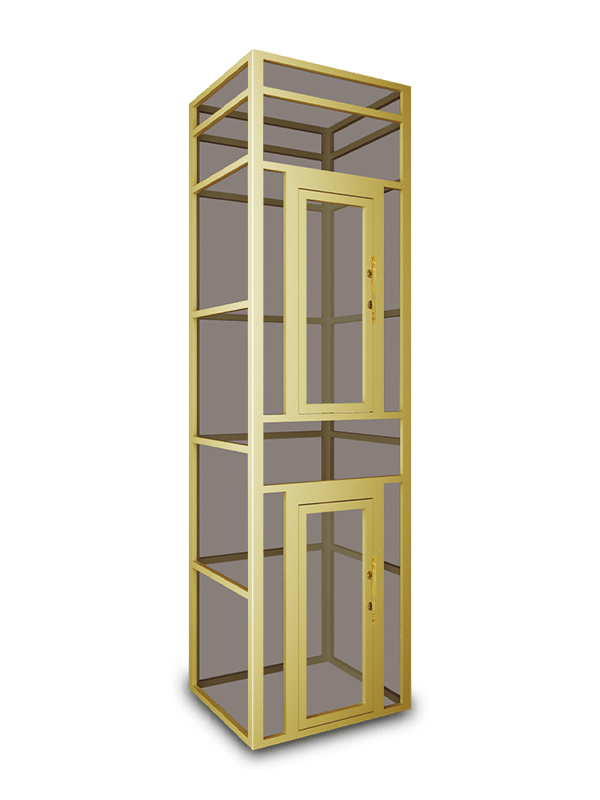
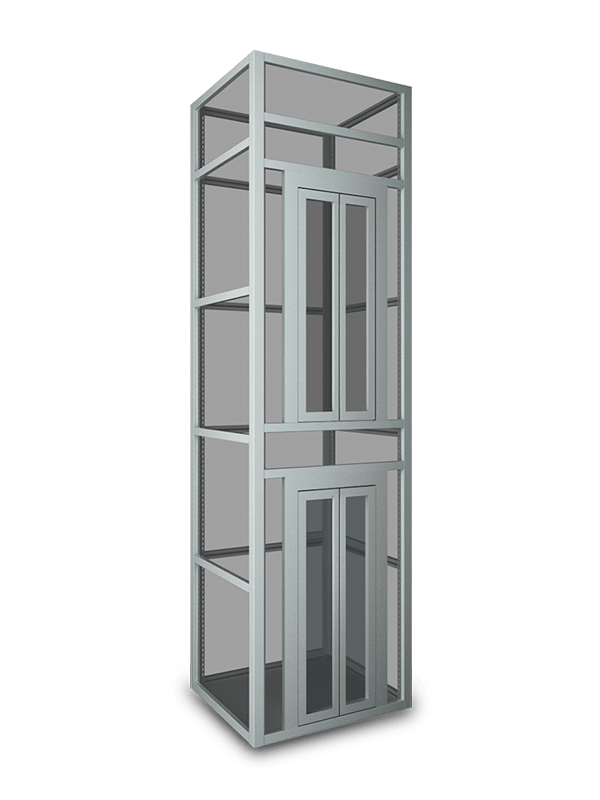
A elevator car landing glass door specifically refers to the glass panel installed at the floor landing. Because it faces outward — into your lobby, hallway, or villa entrance — it carries far more visual weight than the car door behind it. That's the piece worth investing thought into.
What Glass Actually Gives You (That Metal Can't)
Steel and stainless steel doors are durable and classic. But they close off the shaft entirely. In a villa or boutique setting, that creates a heavy, opaque wall element on every floor. Glass changes the relationship between the elevator and the space around it.
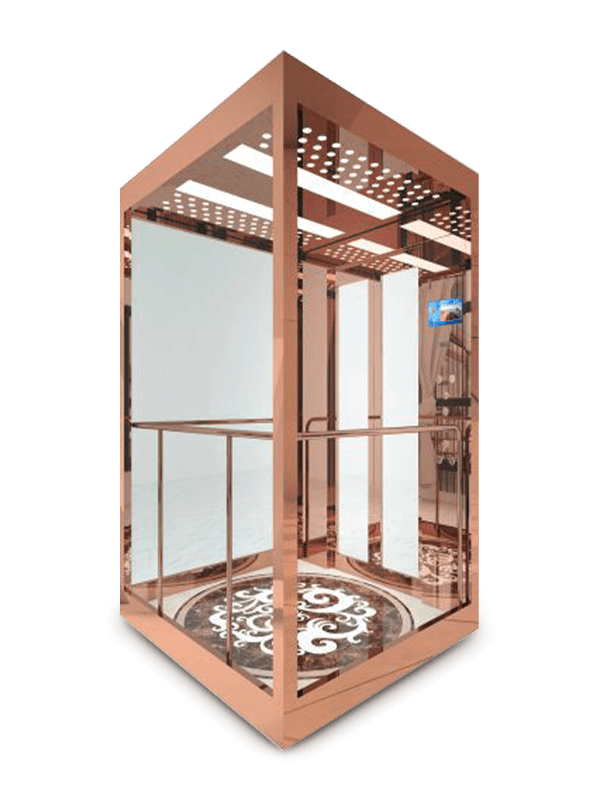
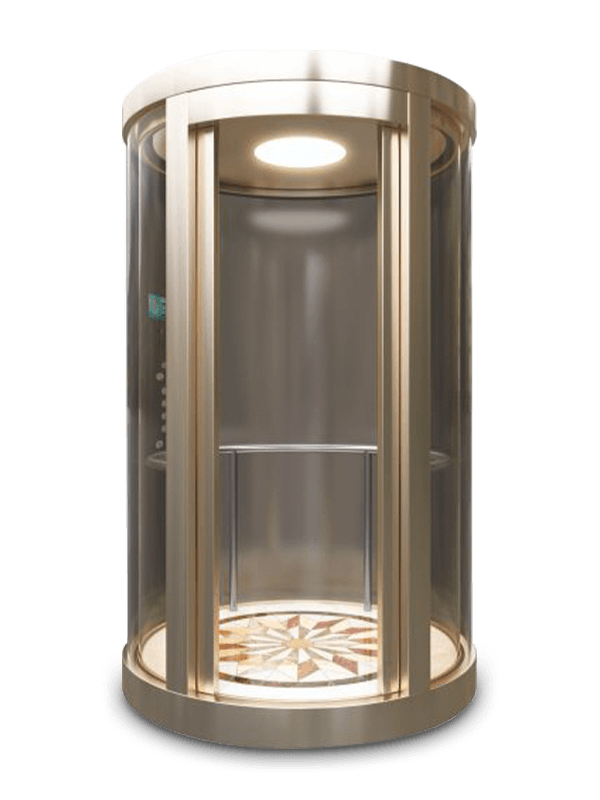
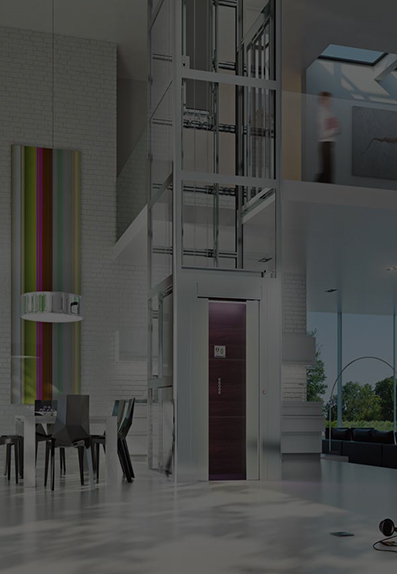
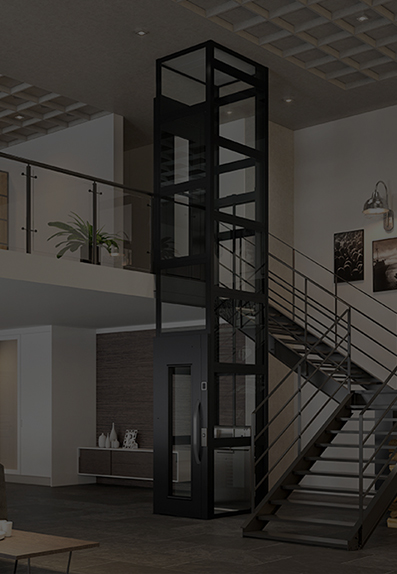
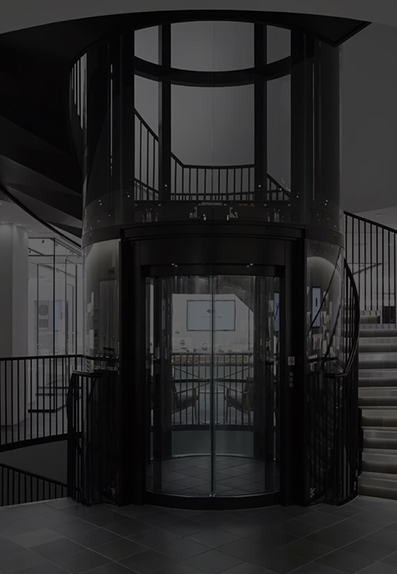
A glass landing door transmits light, creates visual continuity, and — in sightseeing or panoramic configurations — allows occupants to watch the cab descend toward them. If your elevator is positioned as a design feature rather than a utility box, glass is the material that makes that statement credible. It pairs naturally with panoramic elevator cab decorations and open-plan interiors, where a solid metal door would look architecturally inconsistent.
Glass doors are also easier to wipe clean than textured or etched metal surfaces, and they don't accumulate fingerprint shadows the way hairline stainless steel does — provided you choose the right finish.
The Three Finish Options (and When to Use Each)
Not all glass doors are the same. The finish determines how light interacts with the panel and how the door integrates with your wider interior palette. There are three primary options:
- Clear glass provides full transparency. Use this when you want maximum visual openness and the shaft or cab interior is something worth seeing — think a well-decorated cab or a panoramic hoistway. It requires a cleaner shaft interior since everything is visible.
- Mirror glass reflects the landing space back at you, making the floor feel larger and adding depth. It's the go-to choice in compact villas or apartments where the landing is narrow. It also conceals the shaft interior, which is useful if the hoistway isn't decorated.
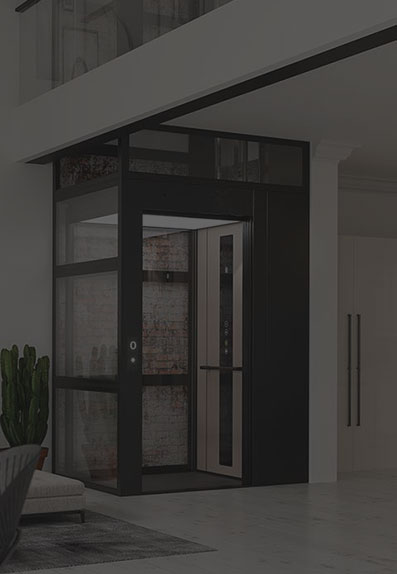
- Titanium-finish glass combines a warm metallic tint with partial translucency. It reads as sophisticated and contemporary — closer to a premium metal door in tone, but with the lighter weight and visual interest of glass. This finish works especially well alongside aluminum-framed glass door systems where the frame and panel are meant to read as a unified design element.
Safety Requirements You Must Understand
Glass in elevator doors isn't decorative glass — it must meet specific structural standards. Under building code requirements for glass in elevator car enclosures and hoistway doors, the glass must be laminated and conform to Class A under ANSI Z97.1 or Category II under CPSC 16 CFR Part 1201. The glass in a hoistway landing door must cover at least 60% of the total visible door panel surface area as seen from the landing side. Panels that fall below this threshold don't qualify as glass doors under code — they're considered partially glazed metal doors.
What this means practically: the glass must be safety-rated laminated glass that holds together if broken, not standard float glass. Any supplier who cannot confirm the lamination standard and provide documentation should be disqualified immediately. For a broader breakdown of door categories and the standards that apply to each, refer to our article on landing door types and the standards that govern selection.
Matching the Door to the Cab Decoration
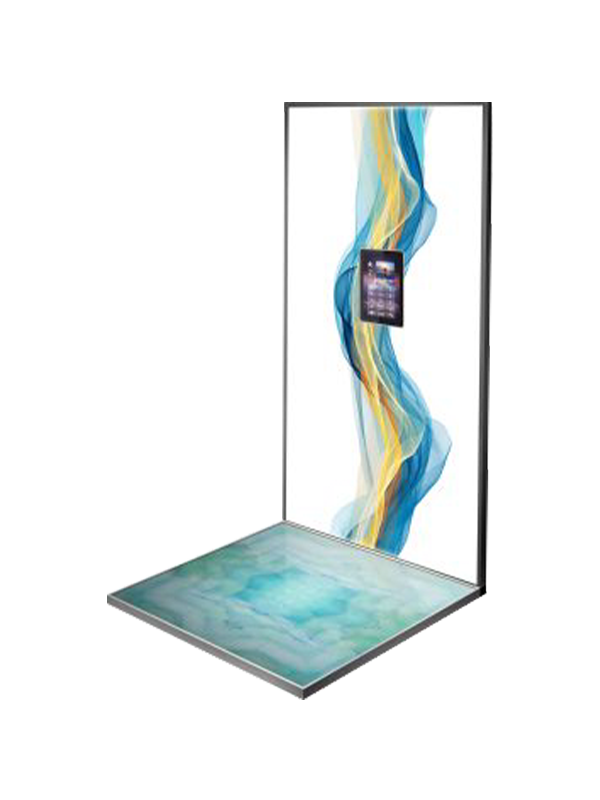
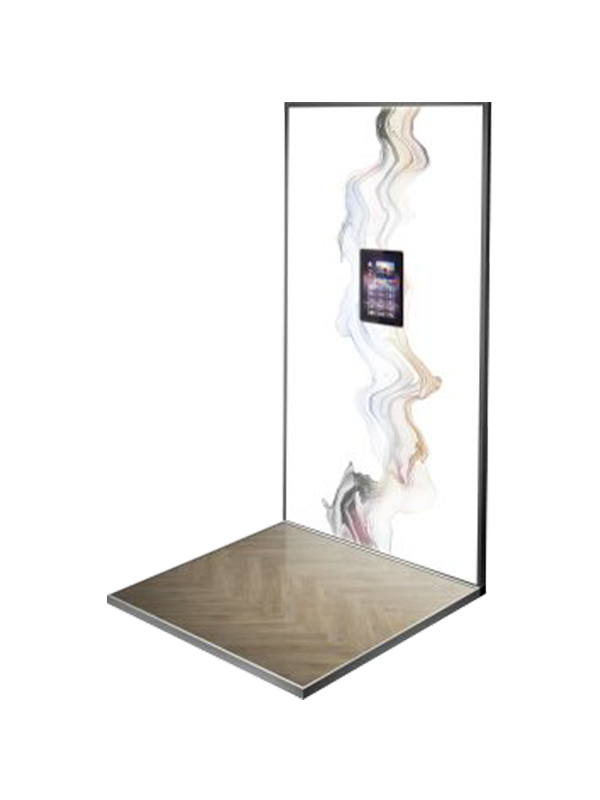
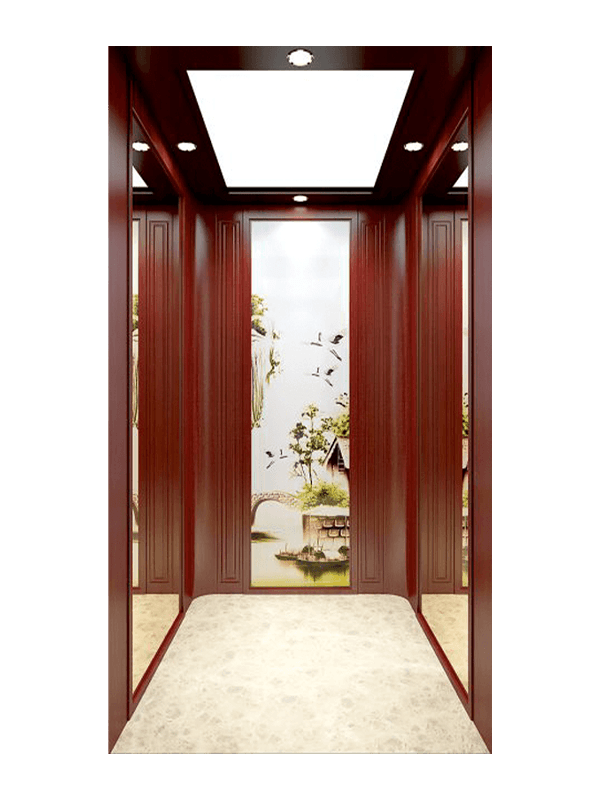
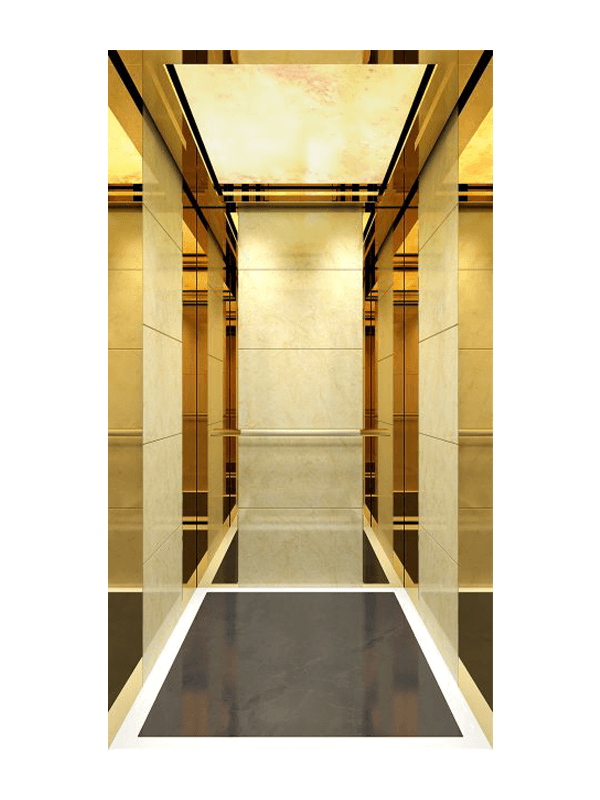
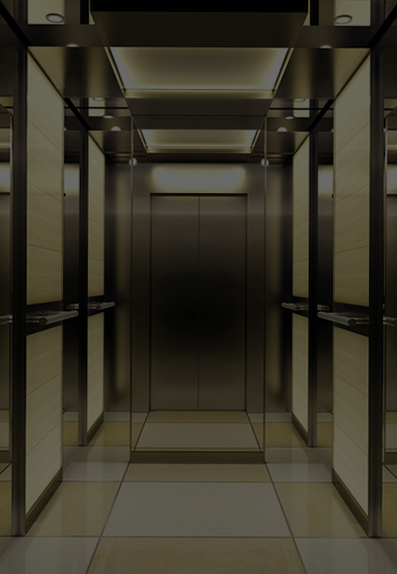
The landing door and the cab interior should speak the same design language. A titanium-finish glass door pairs naturally with stainless steel or rose gold cab finishes. A clear glass door works with wood-grain or marble-effect interiors where visibility into the cab builds anticipation. A mirror door suits minimalist or monochrome schemes.
If your elevator incorporates a sightseeing elevator car decoration, clear glass on both the car and landing door creates the full panoramic effect — the shaft becomes part of the visual experience. In this configuration, hoistway aesthetics matter as much as cab finishes, so plan the two together.
Door panel width and opening configuration also need to match the cab opening. Customization to non-standard dimensions is available for projects where the hoistway dimensions don't follow standard specifications — annual production capacity of 800 to 1,000 units enables both volume orders and bespoke one-off projects without compromising lead time.
The Practical Decision Framework
Before specifying a glass landing door, answer four questions: Is the hoistway interior clean enough to be visible (if so, clear glass; if not, mirror or titanium)? What finish is the surrounding millwork or ironmongery (match or deliberately contrast)? What code standard governs your jurisdiction (confirm laminated glass compliance)? And does your cab decoration series already inform a finish direction?
Most errors in landing door selection come from treating it as an afterthought. Specified alongside the cab, with the same attention given to material, finish, and code compliance, a glass landing door becomes one of the most distinctive elements of a high-end villa elevator installation.